Cosmetic Dentist Tucson
Carlos Rodriguez, DMD provides specialized dental care designed to withstand the unique environmental challenges of Southern Arizona. This clinical summary explains how high temperatures and low humidity influence the longevity of advanced restorative work like implants and veneers through a focus on moisture balance and material durability.
Carlos Rodriguez, DMD understands that the arid environment of the Sonoran Desert poses specific risks to complex dental restorations. Living in a region with such low humidity often leads to xerostomia, which is a medical condition characterized by a significant decrease in saliva production. Saliva serves as a natural defense mechanism that neutralizes acids and washes away debris around prosthetics, or artificial teeth. Local residents must realize that a dry mouth increases the risk of bacterial accumulation near the margins of veneers and implants. Intense sun exposure also impacts the skin and lips, which may influence the aesthetic frame of your smile and the application of neuromodulators, which are injectable treatments used to relax muscles and reduce fine lines. Specifically, the heat encourages dehydration that can make gum tissues more sensitive or prone to recession if not properly managed. Proper hydration and specific clinical protocols are essential for maintaining the osseointegration, which is the structural connection between living bone and a load-bearing implant. Long term success in this climate requires a proactive approach to oral moisture and protective care.
Patients in Tucson often notice that their mouth feels significantly drier during the summer months, which can lead to unexpected irritation around existing dental work.
Environmental Impacts on Restorative Longevity
The biological necessity of saliva cannot be overstated when discussing the health of a reconstructed smile. Without adequate moisture, the friction between moving parts of the mouth increases, which may lead to premature wear on porcelain surfaces. Carlos Rodriguez, DMD, uses high-grade materials that are specifically tested for thermal stability and stain resistance. The dry climate also affects the periodontium, the specialized tissues that surround and support the teeth. When these tissues become dehydrated, they may lose their elasticity and height, potentially exposing the edges of crowns or veneers. Furthermore, the outdoor lifestyle prevalent in Arizona increases the likelihood of physical trauma or dehydration-related clenching. Addressing these factors through a comprehensive collaboration between the patient and clinician ensures that aesthetic results remain vibrant despite harsh sun exposure.
Common Questions About Dental Care in Tucson
Does the desert heat actually damage my dental implants? While heat does not melt titanium, the resulting dehydration can slow the natural healing process and affect the health of the surrounding gums. Staying hydrated is the best way to support your body, as it maintains the bond between the bone and the implant.
How often should I have my veneers checked if I spend a lot of time outdoors? We recommend a professional evaluation every six months to ensure the bonding agents remain secure and the gum line is healthy. Our team looks for early signs of wear that might be caused by grit, dust, or dry-mouth-related acidity.
Can I get Botox treatments to help with dry mouth or clenching? Therapeutic injections can help relax the muscles involved in grinding, which protects your dental work from excessive force. We offer these treatments to provide a comprehensive solution that addresses both the appearance and the function of your jaw.
Schedule Your Cosmetic Consultation in Tucson
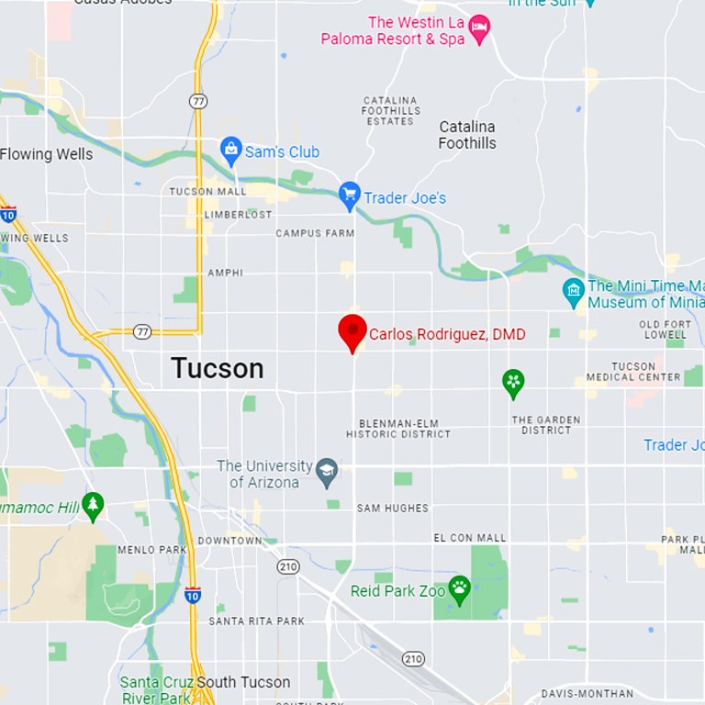
Patients who desire a resilient and beautiful smile can visit our office on Campbell Avenue for a detailed assessment. Please visit dentists-tucson.com to book your appointment for a customized treatment plan.